Advancing Rehab with Force Plate Insights
In healthcare, precision medicine has transformed the way we think about how to best deliver effective care—shifting from “one-size-fits-all” to approaches tailored to each person. Precision rehabilitation takes that same philosophy into injury prevention, recovery, performance, and wellness. It’s a personal, data-driven way to design prevention, assessment, treatment, and training plans that fit the individual while considering factors like health history, functional capacity, goals, environment, the mental game, and work or sport demands.
Traditional rehabilitation often relies on standardized, step by step protocols backed by evidence for the “typical” patient, not the person coming to you for solutions. For example, people with a new ACL injury may have had a recent concussion complicated with visual motion sensitivity—these problems are often interconnected, making it even more important to target the right components for each individual.
Precision rehab blends measurable data with the clinician’s expertise to guide smarter, more targeted decisions. After all, two people with the same diagnosis may respond very differently to the same treatment—and the best results come when care is personalized to maximize gains and minimize setbacks. Yet, in rehab, balance training and other interventions are often prescribed in the same way for everyone without accounting for these individual differences.
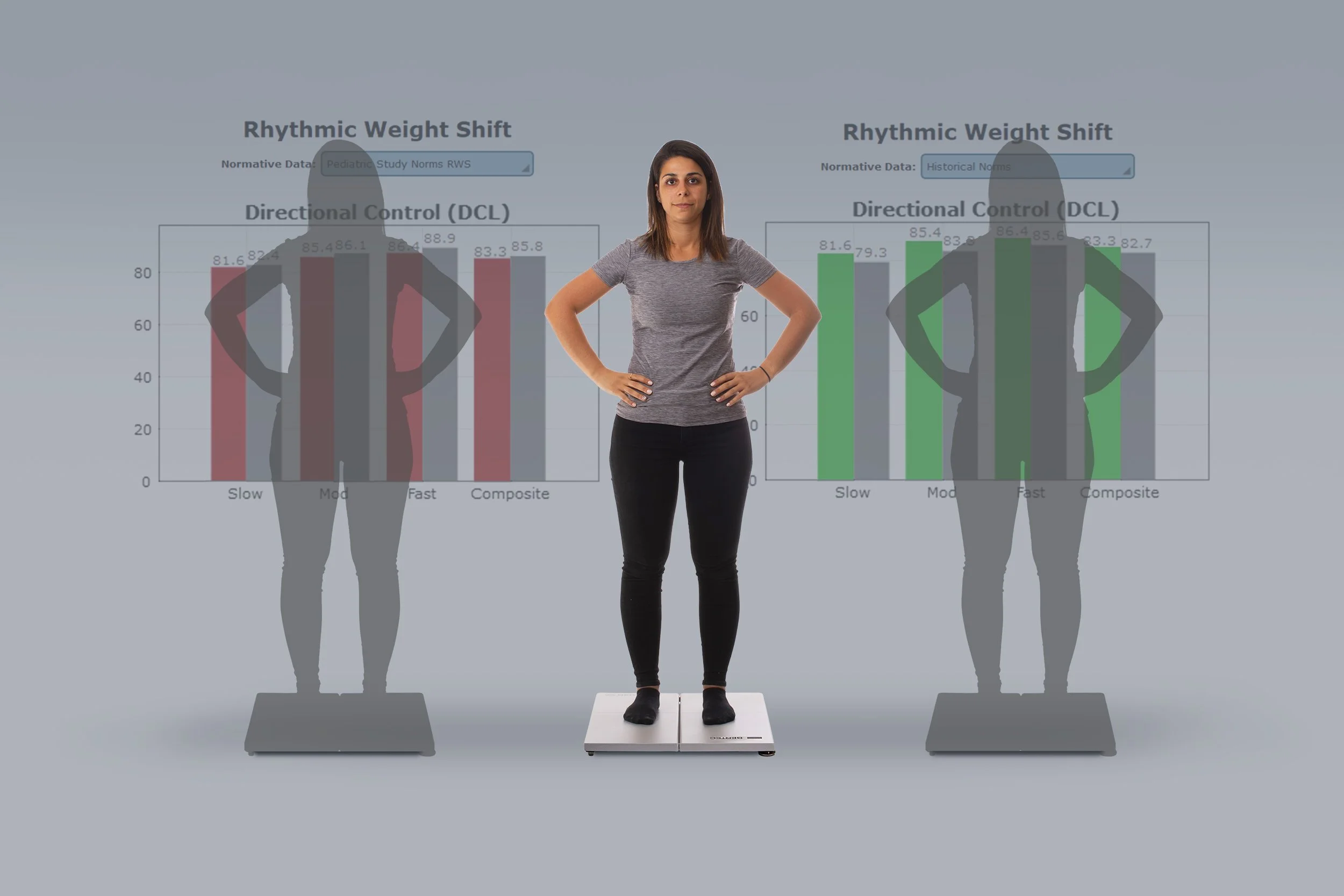
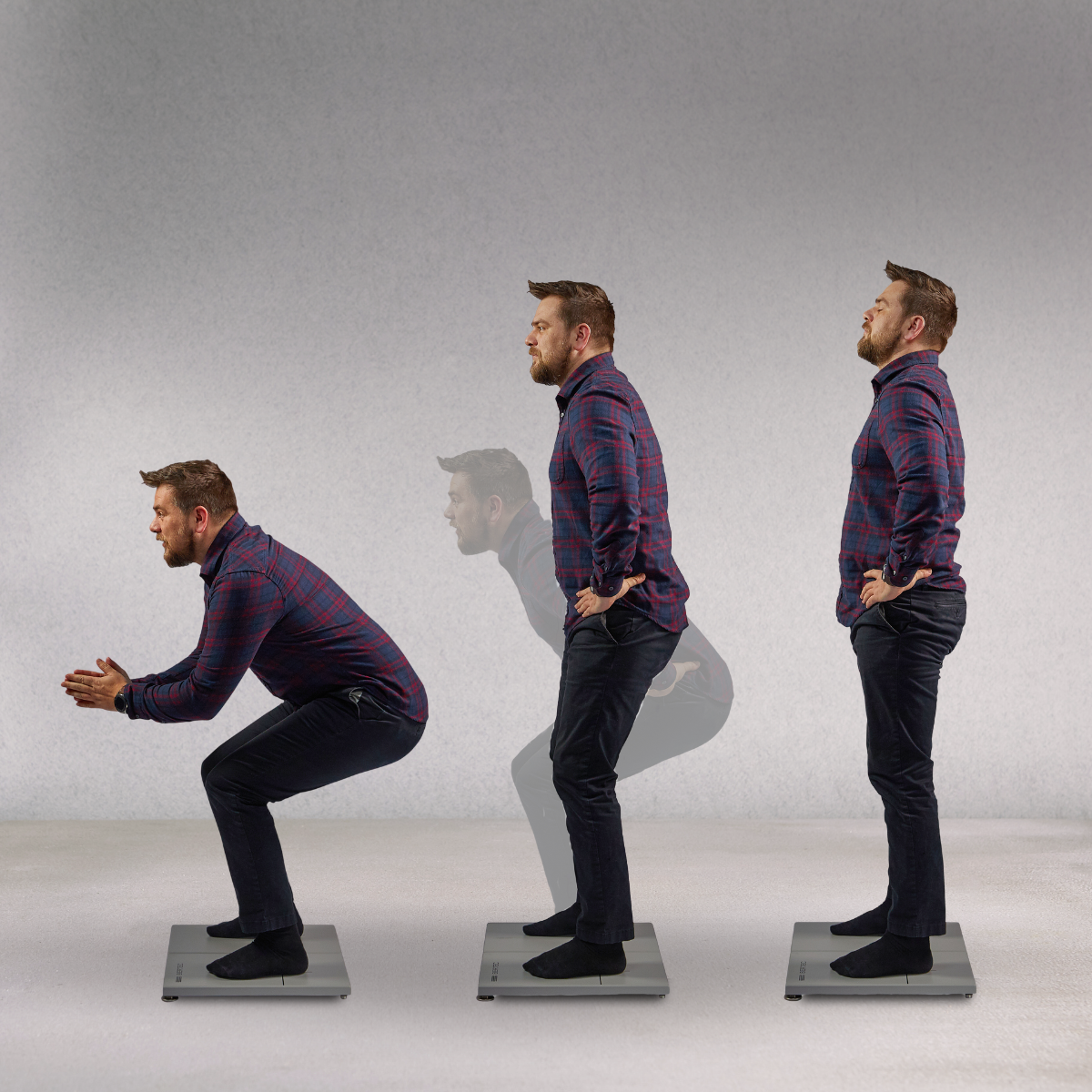
Bertec’s technology solutions bring added value and precision by allowing the clinician or coach to obtain performance data to make the subtle, but significant shifts in balance and motor control visible. The Portable Essential force plate brings objective measures of an individual’s sway during quiet standing during the mCTSIB or unilateral stance while the limits of stability (LOS) test challenges how far a person can lean in any direction without taking a step or falling. After ACL injury or surgery, people tend to rely more on visual or vestibular input to maintain balance; this subtle effect can have a significant impact on rehabilitation and eventual return to work or sport performance. Combined sensory (mCTSIB) and motor (LOS) testing offers a window into the subtle impairments that have an impact on fall risk. The Portable Functional force plate adds tasks such as sit to stand, step up and over, walking, and tandem gait. Traditional time-based measures often have a ceiling effect while the clinician can use force plate data such as sway velocity, reaction times, maximum excursion, or directional control to precisely design training program variables to target these subtle impairments which, when combined, provide a clearer picture of balance or fall risk (e.g. limited forward excursion during the LOS, increased sway scores on the mCTSIB, or poor directional control combined with high movement velocity).
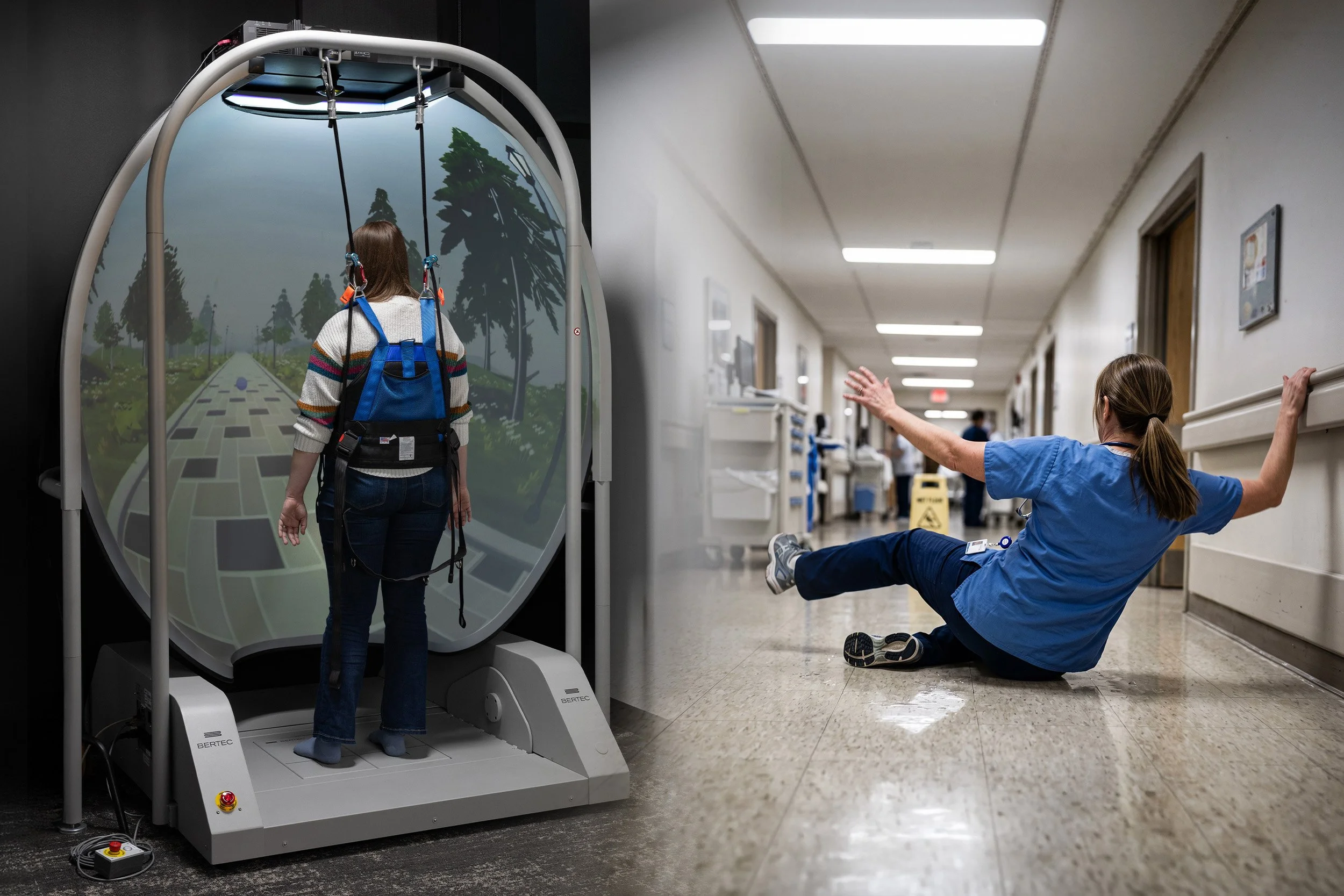
Using insights from the data obtained during the individualized assessment, a personalized treatment plan is created while considering the patient impairments, goals, preferences, and environment. This allows the clinician to select evidence-informed interventions most likely to be effective, predict a likely treatment response and recovery trajectory, identify the therapeutic targets, and select the appropriate dose, intensity, timing, and characteristics of the interventions. The Bertec Balance Advantage software allows seamless data integration to design dynamic, highly customizable training programs utilizing the force plate. Finally, real-time monitoring of performance and symptoms allow for dynamic adjustments. Regular reassessments and comparisons to the individual baseline allows the clinician to refine the intervention plan. Regular reassessments and comparisons to the individual baseline allows the clinician to refine the intervention plan as frequently as needed to keep the challenge fresh. Technology-enhanced personalized care using virtual or augmented reality, force plates, and biofeedback in the form of quantitative knowledge of results (KR) in a “crawl, walk, run” approach. Individual variables may be tailored to the person and adjusted in real time with the Bertec Balance Advantage training menus.
Within this precision rehabilitation framework, key questions answered by the data obtained by the force plate include: how do you assess for, quantify, and identify these often-subtle impairments? How does the practitioner use that data to build a targeted rehabilitation plan based on the individual’s goals—whether for daily function, return to work, or optimum performance? Bertec’s force plate assessments and training menu options helps address these challenges in delivering precision rehabilitation while improving outcomes and patient engagement.
See how Bertec can help you deliver personalized care here.